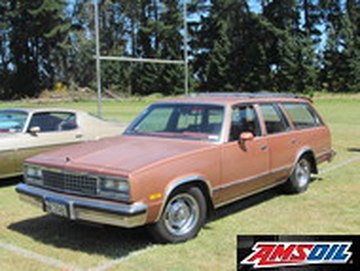
Lubrication Maintenance for the 1982 Chevrolet MALIBU 4.3L Diesel
Maintaining a diesel engine requires a disciplined approach to fluid management and routine inspections. For the 1982 Chevrolet MALIBU equipped with the 4.3L diesel engine, consistent attention to lubrication systems is a fundamental aspect of long-term vehicle health. Because diesel engines operate under different thermal and mechanical stresses than gasoline counterparts, following specific maintenance protocols ensures that all moving components remain properly protected.
Monitoring Fluid Integrity and Condition
One of the most effective ways to monitor the health of the 4.3L engine is through regular observation of the lubricant's physical condition. When performing routine checks, it is useful to look for changes in the appearance or consistency of the oil. While some level of darkening is expected in diesel applications due to the nature of combustion, significant changes can warrant closer investigation.
If you notice an unusual texture or a sudden change in how the fluid behaves, this may indicate contamination. For example, if the lubricant appears milky or has a cloudy consistency, it could be associated with the presence of moisture or coolant. Such a condition should be investigated promptly to prevent potential internal issues. Additionally, observing the area around the engine for any signs of seepage or active leaks is a vital part of a standard inspection. Checking near gaskets and seals for evidence of weeping or dripping can help identify needs before they become more significant concerns.
Systematic Inspection Priorities
As vehicles age, certain components naturally require more frequent visual assessments. For a 1982 model, establishing a baseline through regular inspections is highly beneficial. Rather than relying on assumptions about the age of specific parts, owners should focus on the actual condition of the components currently installed on the vehicle.
- Sealing Surfaces: Periodically inspect various gaskets and seals for signs of age-related seepage. Even if a leak is not actively dripping, a "wet" appearance around a seal can indicate that it is beginning to lose its effectiveness.
- Hoses and Connections: If equipped, check any visible hoses for signs of hardening, cracking, or bulging. Ensuring that connections remain tight and free of debris helps maintain the integrity of the various fluid systems.
- Electrical Integrity: Inspect accessible wiring and electrical connectors for signs of corrosion or fraying. Maintaining clean and secure connections is essential for the proper operation of engine sensors and monitoring systems.
- Drive Components: If the engine utilizes accessible belts, inspect them for evidence of glazing, cracking, or fraying. A belt that shows significant wear may eventually require attention to prevent service interruptions.
Managing Long-Term Engine Health
Effective ownership of a classic diesel vehicle involves moving beyond simple reactive repairs and toward a strategy of informed maintenance. One of the most valuable tools an owner possesses is a detailed record of all services performed. Keeping a log of oil changes, filter replacements, and any observed fluid levels provides a clear history that can help identify trends over time.
When service records are incomplete, the best approach is to establish a new maintenance baseline. This involves performing a thorough inspection of all major fluid-carrying components and documenting their current state. Once this baseline is set, you can more easily recognize when a component's condition has changed. For instance, if you know a specific seal was dry and intact during your last inspection, seeing moisture there later provides a clear indicator that something has changed. This method allows for prioritizing tasks based on actual mechanical needs rather than arbitrary age-based schedules.
Observing Potential Operational Changes
Drivers should remain attentive to how the vehicle behaves during operation. While many mechanical issues do not present immediate warning signs, certain symptoms can serve as early indicators that a system requires professional attention. It is important to remember that many symptoms can have multiple underlying causes, so an observation should be treated as a prompt for inspection rather than a definitive diagnosis.
Changes in engine noise or unusual vibrations may indicate that lubrication levels or qualities are not optimal. Similarly, if you notice any changes in exhaust characteristics or evidence of overheating, these should be investigated immediately. If a warning light or indicator appears on the dashboard, it is a signal to stop and evaluate the situation according to the vehicle's documentation. Addressing these signs early can prevent more complex mechanical complications.
Effective Maintenance Decision-Making
For owners of a 1982 Chevrolet MALIBU, maintenance should be viewed as a continuous process of monitoring and responding to the vehicle's specific needs. Rather than replacing parts simply because they are old, focus on the condition of the materials. A component that is well-maintained and shows no signs of degradation may not require immediate replacement, whereas a newer part showing signs of heat damage or chemical wear should be addressed.
Prioritize your maintenance efforts by addressing active leaks, unusual noises, or any deviations from the vehicle's normal operating state first. By combining regular visual inspections with a thorough understanding of your vehicle's service history, you can make informed decisions that support the continued operation of the 4.3L diesel engine.
Practical Guidance for Buying Engine Oil for the 1982 Chevrolet MALIBU 4.3L
When it is time to replenish the lubrication in your engine, selecting a product that aligns with the specific requirements of your application is essential. To ensure you are using the correct lubricant, always match the engine oil to the application-specific viscosity information already displayed on this webpage.
Before making a purchase, carefully review the product labeling to confirm it meets the necessary standards for your engine type. You may choose between various formulations, such as conventional, synthetic blends, or full synthetic oils, depending on what is appropriate for your specific maintenance goals and the current condition of your engine. If you are managing an older engine with higher mileage, you might consider looking into high-mileage formulations that include seal-conditioning additives designed for aging engines. Regardless of the formulation chosen, always verify that the oil meets the necessary quality certifications listed in your vehicle's technical documentation.